113 Years Later: Titanic’s Tragedy Still Echoes Through Time
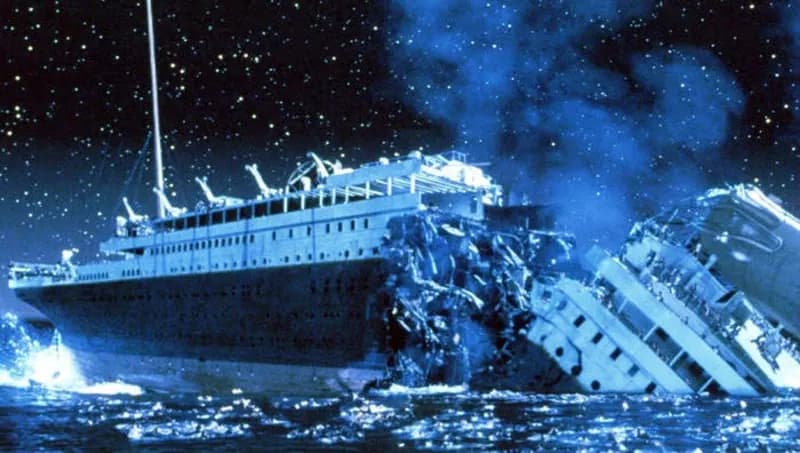
Today, April 14, 2025, marks 113 years since the RMS Titanic, one of the most iconic ships in maritime history, sank beneath the frigid waters of the North Atlantic. It was a night that stunned the world and etched itself permanently into the annals of human tragedy. Over a century later, the Titanic remains more than just a sunken ship—it is a powerful symbol of ambition, hubris, class disparity, and the fragile line between triumph and catastrophe.
The Titanic was the crown jewel of the White Star Line, a floating palace hailed as “unsinkable.” With over 2,200 passengers and crew aboard, it embarked on its maiden voyage from Southampton to New York on April 10, 1912. Carrying the hopes and dreams of aristocrats, businessmen, immigrants, and adventurers, it was a microcosm of early 20th-century society—elegant and unequal in equal measure.
Tragedy struck just before midnight on April 14, 1912, when the ship collided with an iceberg. Within less than three hours, the Titanic—once the pinnacle of human engineering—was gone, swallowed by the sea. More than 1,500 lives were lost. For many, it was not just the sinking of a ship, but the sinking of an age’s confidence in progress and perfection.
The disaster exposed critical failures—an insufficient number of lifeboats, inadequate emergency protocols, and a rescue effort that reflected the bitter divisions of class. While the wealthy had a higher chance of survival, many third-class passengers perished, trapped below decks or denied access to lifeboats.
Yet, even amid the darkness, tales of courage, sacrifice, and humanity shone through. The ship’s band played to calm passengers as the ship went down. Wireless operators Jack Phillips and Harold Bride stayed at their post to send SOS messages until the end. Couples like Isidor and Ida Straus chose to face death together rather than be separated. These stories continue to humanize the statistics and keep the memory of those lost alive.
But the Titanic’s tale did not end with its sinking. The ship lay undiscovered until 1985, when its wreck was finally found, nearly 13,000 feet below the surface. Since then, Titanic has remained a subject of intense fascination, studied by scientists, memorialized by artists, and visited—at great risk and cost—by explorers.
One such expedition ended in tragedy two years ago, in 2023, rekindling global interest and sorrow. A submersible named Titan, operated by OceanGate Expeditions, imploded during a dive to the Titanic wreck, killing all five people aboard. Among them were British billionaire Hamish Harding, Pakistani businessman Shahzada Dawood and his teenage son Suleman, French Titanic expert Paul-Henri Nargeolet, and OceanGate CEO Stockton Rush.
The Titan tragedy was eerily reminiscent of the very disaster it sought to explore—an ambitious voyage gone fatally wrong, driven by a mix of human curiosity, technological daring, and perhaps, again, a dash of overconfidence. The submersible, made with experimental materials and piloted using a video-game controller, had raised safety concerns long before the fatal dive. Yet the allure of the Titanic was so powerful that it continued to draw people into its orbit—sometimes with irreversible consequences.
In a strange twist of fate, those who perished in the Titan submersible were not merely visiting a graveyard—they became part of it.Together, the sinking of the Titanic in 1912 and the implosion of the Titan in 2023 form a haunting mirror, reflecting how little has changed when ambition races ahead of caution. Both stories serve as sobering reminders that nature remains indifferent to wealth, status, or expertise.
As we remember the 113th anniversary of the Titanic’s demise, we honor not just those who died in 1912, but also those who died over a century later, in pursuit of its legacy. Their shared fate binds them forever to one of history’s most enduring symbols of tragedy.
From the opulent decks of the Titanic to the cramped confines of the Titan, the ocean remains a silent witness to the dreams and downfalls of humanity.
Gone beneath the waves—but never forgotten.