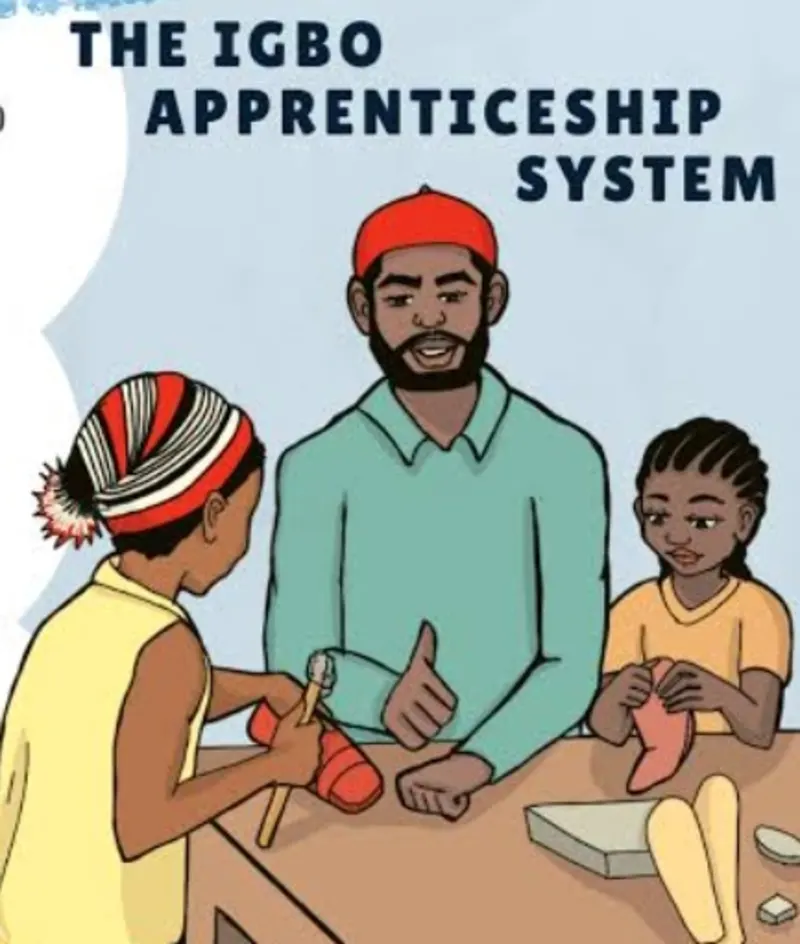
In a significant step forward, the Anambra State House of Assembly has officially recognized the traditional Igbo apprenticeship system, known as Igba Boi, by passing a law that provides it with formal legal status.
Effective Date & Legislative Details
This new law is set to go into effect on September 10, 2025, creating a regulated structure for the apprenticeship model.
Under this law, there will be a maximum duration of seven years for any apprenticeship arrangement, which keeps the tradition alive while also ensuring that there's a standard in place.
Additionally, a basic education requirement has been introduced: only individuals who have completed at least Junior Secondary School 3 (JSS3) can take part in the program.
Oversight & Protections
The legislation creates the Anambra State Igbo Apprenticeship Commission, which will be responsible for registering apprentices and their mentors (“ogas”), supervising the apprenticeship processes, and offering a formal mechanism for resolving disputes.
It also clearly outlines the rights and responsibilities for both apprentices and their mentors, with the goal of fostering fairness, accountability, and mutual respect in the system.
Cultural Importance & Economic Benefits
The Igba Boi system is a time-honored method of entrepreneurial training that has helped many young people start sustainable businesses through hands-on guidance.
By formalizing this practice through legislation, Anambra State aims to modernize and safeguard its cultural heritage while also giving apprentices the tools they need in terms of literacy, financial skills, and legal protection in a rapidly changing economy.
Perspectives from the Legislature
Sir Ejike Okechukwu, who sponsored the bill, described it as a thoughtful approach that supports apprentices, honors tradition, and brings structure to what used to be an informal practice.
Speaker Somtochukwu Udeze lauded the bill as “a victory for our culture, for our youth, and for economic inclusion,” highlighting the teamwork from the trade and judiciary committees.