Every great mineral rush in history has asked the same question of the people who live above the ground: who will benefit, and who will pay? For decades, Africa's answer has been painful. Oil in the Niger Delta, cobalt in the Congo and diamonds in Sierra Leone all produced fortunes, yet too often left behind poisoned land, fractured communities and children who grew up in pits instead of classrooms. Today, Nasarawa State stands at the same crossroads. Its lithium deposits are among the most promising in Africa, and the world's appetite for the metal, driven by electric vehicles, grid storage and consumer electronics, shows no sign of fading. Whether that appetite becomes a blessing or a curse for Nasarawa depends on a choice we are making now.
The warning signs are already visible. Reports from mining communities describe children carrying ore, women sorting spodumene by hand without protection, shallow pits collapsing on workers, and trading chains so opaque that no one can say where a bag of ore ends up. These are not the inevitable costs of development. They are the predictable results of a sector that grew faster than its rules. The tempting response is to treat them as a trade-off, to assume that strict ethical standards will scare off investors and shrink profits. I want to argue the opposite: that a lithium industry free of child labour and human rights abuses is not merely morally right but commercially superior, and that Nasarawa can prove it.
The first reason is that the global market is shutting its doors to dirty minerals. Battery makers and carmakers now operate under due diligence rules in Europe and the United States that require them to demonstrate where their materials come from and under what conditions they were extracted. No serious manufacturer will risk a supply chain linked to child labour, because the reputational and legal consequences are severe. This changes the economics entirely. Lithium that is traceable and certified earns a premium and attracts long-term purchase agreements, while lithium of uncertain origin is pushed toward discounted sales through middlemen, or off the market altogether. The state that can pass the audit will hold an advantage over every competitor that cannot.
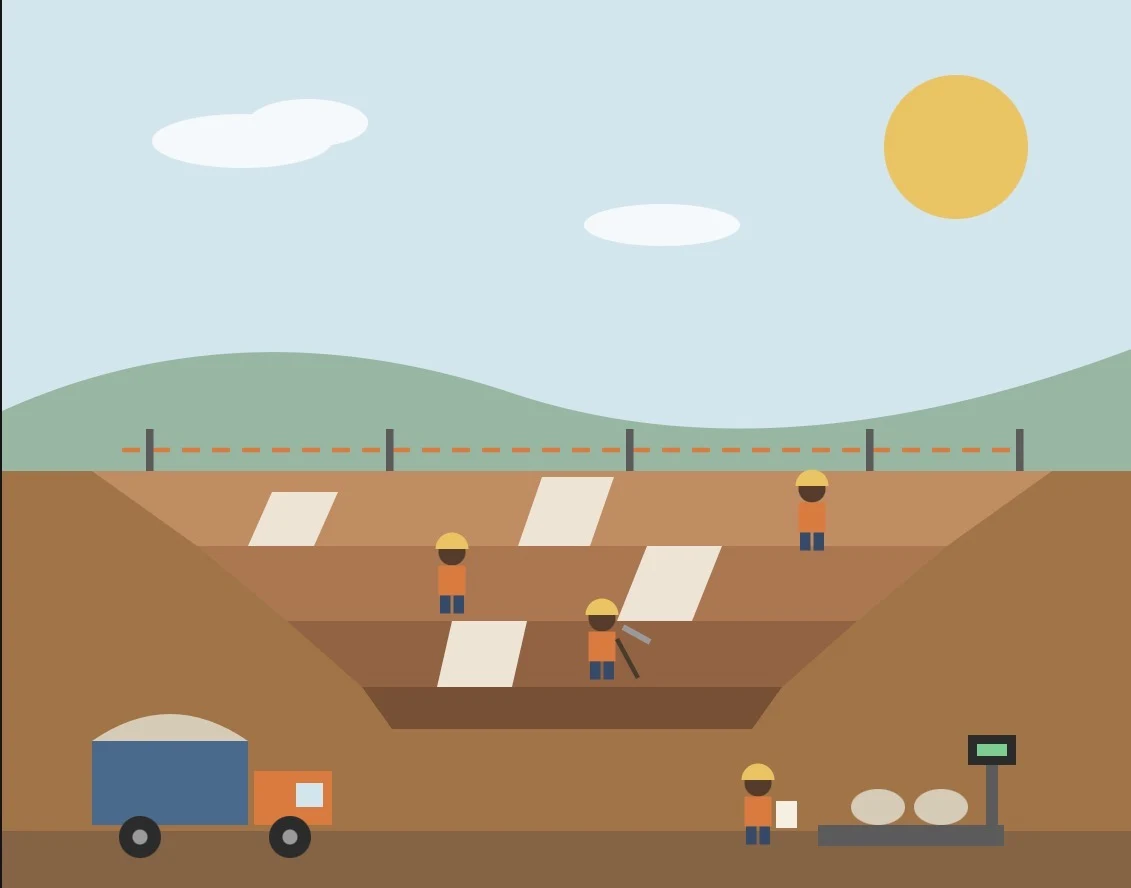
Meeting that standard begins with confronting the reality of artisanal mining. Much of Nasarawa's lithium is dug by informal miners, and informality is precisely where abuse flourishes, because no one is registered, inspected or accountable. The answer is not to criminalise thousands of people who depend on the pits for survival. It is to organise them. Licensed cooperatives, clearly demarcated mining zones and designated trading points, where ore is weighed, recorded and paid for at fair prices, would bring the sector into the light. Cooperatives can also pool resources to access equipment, training and credit, which raises both output and income. This matters for a reason that is easy to overlook: children work in mines largely because their families are poor. When an adult earns a decent living from legitimate work, the pressure to send a child into the pit eases.
Organisation, however, means little without enforcement. Nigeria already has laws that should protect these communities, including the Child Rights Act and the Minerals and Mining Act. What has too often been missing is the capacity to apply them at the mine site. State mining officers need adequate funding, transport and independence to carry out inspections, and operators who employ children or ignore safety standards must face real penalties, up to and including the loss of their licences. A law that exists only on paper protects no one, and investors who see that the rules are applied consistently will trust the environment more, not less.
Equally important is where the value of lithium is captured. Exporting raw ore sends the largest share of the profit abroad, along with the skilled jobs that come with refining. If Nasarawa instead attracts investors willing to process lithium locally, it will create stable, formal employment that is easier to inspect and far better paid than casual digging. The state can make this a condition of doing business, alongside local hiring commitments and the publication of contracts, so that citizens can see what has been agreed in their name.
That transparency should extend to the communities that host the mines. Too often, residents watch trucks leave with their wealth while their schools decay and their wells run dry. A defined share of mining revenue, managed openly through a community development fund, could change that. Money spent on schools, clinics and clean water does more than improve lives; it keeps children in classrooms, which is the most effective protection against child labour. Communities that see real benefits also become partners in guarding against abuse and environmental damage, rather than silent witnesses to extraction.
Finally, trust must be verifiable. Digital traceability systems that follow lithium from the mine face to the port would allow regulators to spot irregularities and buyers to confirm origin. Independent audits with published results would turn good conduct into a selling point. In a market where reputation is currency, a clean record is an asset no competitor can easily copy.
Sceptics will say that all of this is costly, and they are partly right. Responsible mining requires investment in oversight, training and infrastructure. But the alternative is far more expensive. Unregulated booms invite disputes, shutdowns, sanctions and boycotts, and they leave behind exhausted land and little lasting wealth. Responsible practice, by contrast, buys access to premium markets, investor confidence and the social licence to operate for decades rather than seasons.
Nasarawa has been handed a rare chance to write a different story from the one told across so much of the continent. The officials who grant licences, the companies who dig and process, and the buyers who purchase the ore all carry a share of the responsibility. If they meet it, lithium from Nasarawa will power more than batteries in distant cities. It will pay for schools, clinics and careers at home, and not a single child will have paid the price for it.