The American Electoral Lesson: A Beacon for Nigeria and Democracies Worldwide.
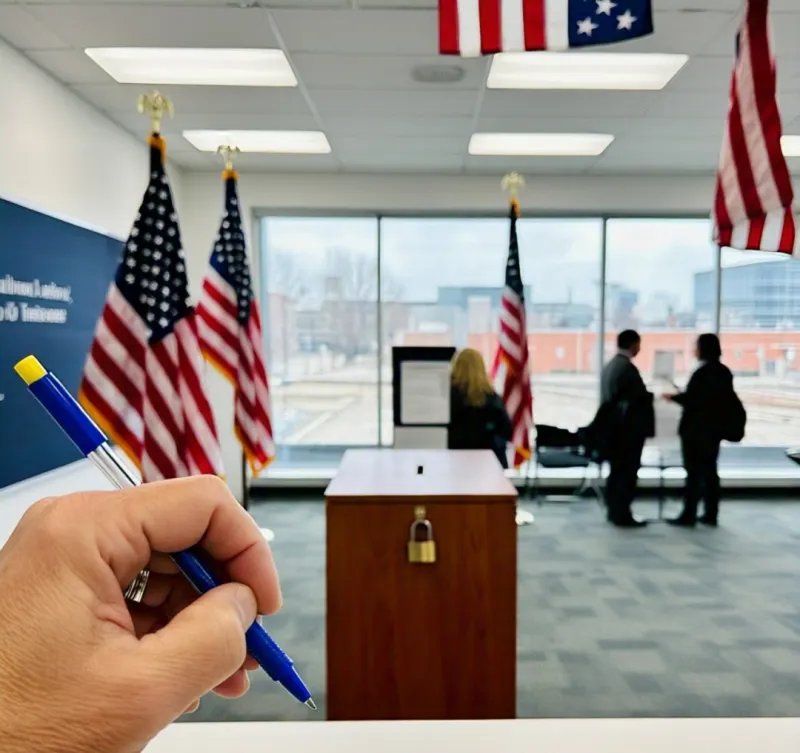
Elections are the heartbeat of democracy, the symphony through which the will of the people is orchestrated. The recently concluded American election, conducted with transparent precision, stands as a testament to the triumph of democratic ideals. It is not merely an event but a reminder to the world—especially Nigeria—that elections can be free, fair, and credible when the principles of accountability and transparency are enshrined.
America’s Democratic Masterpiece
In America, the 2024 election was a showcase of integrity, where the ballot box was neither silenced by intimidation nor tampered with in the shadows. Every vote was counted, and every voice mattered, reflecting a system where institutions are robust and the rule of law reigns supreme. Key elements, such as the widespread use of advanced electronic systems for voting and result collation, ensured efficiency and accuracy. The swift announcement of results further underlined the credibility of the process, leaving little room for doubt or dispute.
This election was not devoid of its challenges, yet it rose above them, proving that the strength of a democracy lies in its ability to self-correct and uphold the sanctity of its electoral process.
A Tale of Two Elections: America and Nigeria
The Nigerian 2023 general election tells a different tale—one marred by broken promises and shattered trust. The Independent National Electoral Commission (INEC), which had raised hopes with its commitment to using the Biometric Voter Accreditation System (BVAS) for real-time result transmission, faltered when it mattered most. Like a bridge that crumbled under pressure, the system failed to deliver transparency, leading to widespread allegations of manipulation.
Polling stations became arenas of chaos, with logistical challenges, voter suppression, and delays painting a grim picture. Instead of serving as a beacon of hope, the election highlighted the fragility of Nigeria’s democratic structure.
The Chains of Corruption
Redemption of the Nigerian electoral system appears almost hopeless, ensnared as it is by the grip of corrupt politicians who have captured every arm of government. From the executive to the legislature, even to the military, these forces operate like a cartel, crushing any hope of systemic reform. Their hold is ironclad, their interests entrenched, and their will seemingly immovable.
Yet, even in the darkest hour, a flicker of light remains. This country belongs to its people—especially the youth, who must realize that the baton of Nigeria’s destiny lies in their hands. They cannot afford to fold their arms while the nation’s democratic soul is trampled upon. It is their fight to salvage Nigeria from the clutches of corruption, to rebuild a system that reflects the aspirations of the many, not the greed of the few.
Lessons for Nigeria and the World
The American election offers vital lessons to Nigeria and other democracies striving for electoral credibility:
Technology is Not Enough; Transparency is Key: While technology, such as BVAS, is a powerful tool, its implementation must be transparent. The American model underscores the importance of rigorous testing, training, and public confidence in the system. Nigeria must ensure that technological innovations are not just promises on paper but realities in practice.
Institutional Independence: A credible election thrives on the independence of its electoral body. America’s electoral commissions operate with autonomy, insulated from undue political interference. For Nigeria, INEC must rise above partisanship and embrace its role as the impartial umpire of democracy.
Citizen Engagement and Vigilance: In America, the electorate played an active role in safeguarding the process. Voter education, legal challenges, and robust civil society engagement kept the process accountable. Nigeria must cultivate a politically aware citizenry that holds institutions accountable at every turn.
Swift Justice for Electoral Offenders: Electoral malpractice thrives in a culture of impunity. America’s justice system ensures that violators face swift and decisive penalties. Nigeria must strengthen its judicial processes to deter offenders and uphold the integrity of the vote.
Recommendations for Nigeria’s Electoral Future
Institutional Reforms: INEC must undergo comprehensive reforms to enhance its independence, transparency, and efficiency.
Investment in Technology: Beyond BVAS, Nigeria should explore advanced technologies like blockchain for tamper-proof result collation.
Electoral Offense Tribunals: Establish special courts to address electoral malpractice swiftly and decisively.
Civic Education: A well-informed electorate is the foundation of credible elections. Nigeria must prioritize civic education, particularly among young voters.
-Strengthening Security: Ensure that elections are conducted in a safe environment free from violence and intimidation.
Conclusion
The American election is a beacon of hope, a lighthouse guiding the storm-tossed ship of democracy. For Nigeria, it is a call to action—a reminder that democracy thrives when the voice of the people is not just heard but respected.
While the road to redemption in Nigeria may seem blocked by the brick wall of corruption, it is not a dead end. The youth, with their energy, innovation, and determination, must rise to the occasion. This is their country to salvage, their future to protect. As the saying goes, “The ballot is stronger than the bullet.” Let this truth echo in Nigeria’s corridors of power, reminding all that democracy is a covenant, one that must be kept sacred.