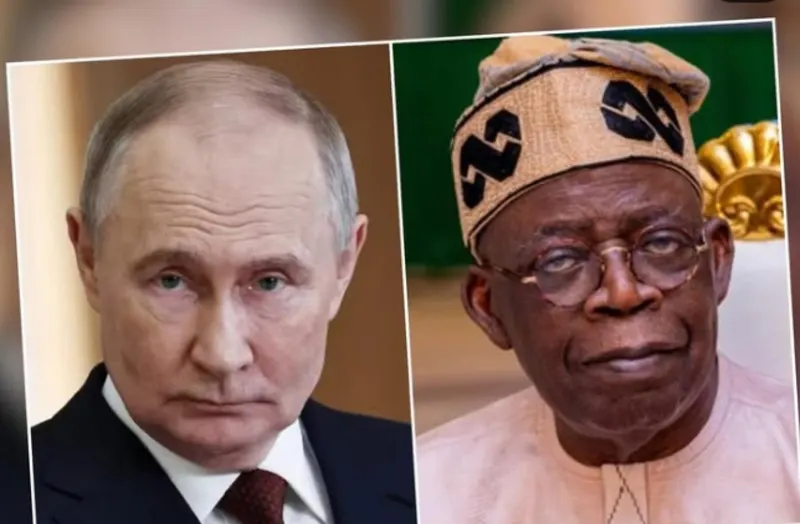
In a significant development in international military cooperation, Russia has pledged to provide substantial military assistance to Nigeria to bolster its efforts in combating escalating insecurity, particularly from insurgent groups like Boko Haram and Islamic State West Africa Province (ISWAP).
The commitment was formalized during a high-level meeting between Russian Foreign Minister Sergey Lavrov and Nigerian officials in Moscow. Lavrov emphasized Russia's readiness to deliver advanced military equipment, including helicopters and specialized vehicles, and to offer training programs aimed at enhancing the operational capabilities of Nigerian security forces.
This move marks a deepening of the military ties between the two nations, building upon a 2021 agreement that established a legal framework for the supply of military hardware and personnel training. The initial pact was aimed at providing Nigeria with resources to counter Boko Haram insurgents in the northeast.
Nigeria's security challenges are multifaceted, encompassing threats from jihadist groups in the northeast, banditry in the northwest, and separatist movements in the southeast. The Nigerian military, with approximately 223,000 personnel, has been stretched thin across these various fronts . In this context, the Russian support is seen as a strategic move to diversify Nigeria's defense partnerships and reduce reliance on Western suppliers, from whom procurement has sometimes been hindered by political considerations.
The Russian assistance is expected to include the provision of Mine-Resistant Ambush Protected (MRAP) vehicles, which have proven effective in recent operations against insurgents.
Additionally, the Nigerian Air Force is set to receive Mi-35 attack helicopters and unmanned aerial vehicles, enhancing its surveillance and combat capabilities.
This development also reflects a broader geopolitical shift in the Sahel region, where countries like Mali, Burkina Faso, and Niger have increasingly turned to Russia for military support, particularly following recent coups and the expulsion of Western forces. These nations have formed the Alliance of Sahel States, with Russia pledging to back their joint military initiatives against jihadist insurgencies.
While the Nigerian government has welcomed the Russian support, it remains to be seen how this new partnership will impact its existing relationships with Western allies. The U.S., for instance, has previously expressed concerns over human rights issues in Nigeria, which have affected defense cooperation.
As Nigeria continues to grapple with complex security challenges, the infusion of Russian military aid represents a significant shift in its defense strategy, potentially altering the dynamics of regional security in West Africa.