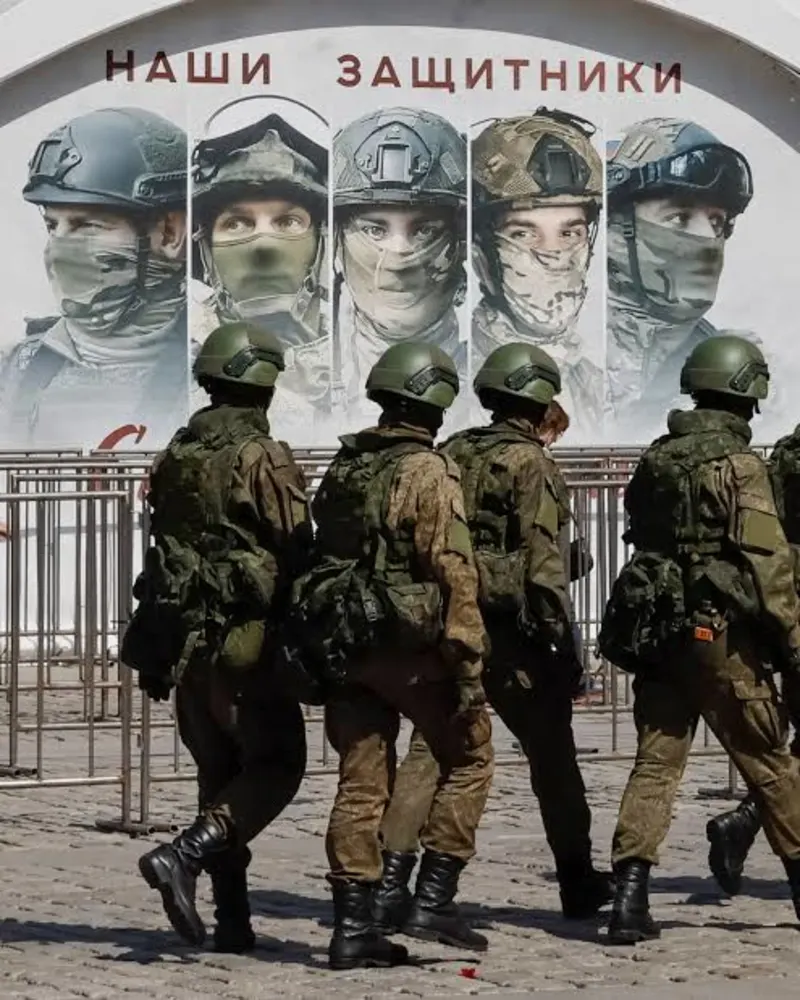
A shocking fraud scandal has come to light within Russia's elite 83rd Guards Air Assault Brigade, where numerous soldiers intentionally shot themselves and each other to claim fake combat injuries—and in turn, gain significant state compensation and decorations.
Authorities estimate that the total amount lost due to this scheme surpasses 200 million rubles (around $2.5 million). An investigation by the Main Military Investigative Department, which was prompted by a whistleblower from the brigade, revealed that about 35 servicemen had staged non-fatal gunshot wounds—carefully avoiding critical areas—to document these as combat injuries, allowing them to seek reward to payouts of as much as 3 million rubles (about $37,000) each.
These fabricated injuries also earned them military honors, including the Order of Courage and the Medal "for Bravery".
Two high-ranking officers were central to the conspiracy:
Lieutenant Colonel Konstantin Frolov, known by his call signs "Palach" or "Executioner," had gained fame as a war hero in the state media—touted as a leading sniper with made-up stories of bravery, including claims of rescuing and adopting a young girl from the chaos of Ukrainian shelling.
Guard Colonel Artem Gorodilov, a former brigade commander, had previously been sanctioned by the U.S. for alleged human rights violations tied to the Bucha massacre.
Both officers have admitted their guilt, entered cooperation agreements, and provided information against others involved. Still, their requests to be sent back to combat instead of facing trial have been turned down.
Scale and Impact of the Fraud
Total fraudulent payouts exceed $2.5 million, with some soldiers pocketing as much as $37,000 each.
The scheme not only brought financial rewards—like compensation, paid leave, and medical benefits—but also resulted in prestigious awards, weaving the fraud deeper into the propaganda narrative.
The inquiry covered about 100 volumes of court documents, showcasing its complexity and scale.
This fraud is just a glimpse into the broader corruption and coercion affecting the Russian military:
Bribery and fake injuries are becoming standard strategies for dodging combat duties or gaining advantages on the front lines. Reportedly, some soldiers even pay medics to feign injuries to get discharged or swapped for different assignments.
Military families and human rights organizations have reported instances of extortion, where soldiers—or their families—were pressured to pay to avoid punishments or to access basic services, sometimes leading to tragic results.
These trends highlight a troubling decay of morals within units, even those that have been seen as elite.