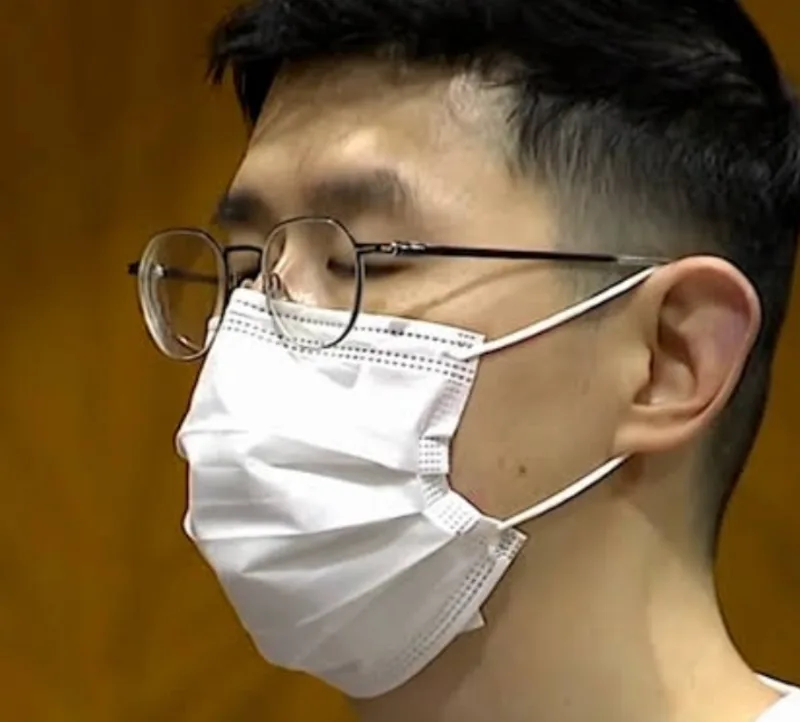
A former gastroenterologist at New York-Presbyterian Queens, Dr. Zhi Alan Cheng, has just been sentenced to 24 years in prison along with 10 years of post-release supervision and will have to register as a sex offender for life. This follows serious charges brought by the Queens District Attorney’s office.
Charges and Conviction
Back in June, Cheng pleaded guilty to multiple counts of sexual crimes involving both sedated patients at the hospital and unconscious friends. Specifically, he admitted to four counts of first-degree rape and three counts of first-degree sexual abuse. Additionally, he took an Alford plea—essentially accepting a conviction while still insisting on his innocence—for another sexual abuse charge.
Nature of the Crimes
District Attorney Melinda Katz referred to Cheng's actions as "heinous acts," involving sexual assaults on vulnerable women who were often incapacitated and unaware of what was happening. Some of these assaults occurred during gastrointestinal procedures at the hospital while patients were sedated, while others took place in his apartment, where Cheng recorded the acts himself.
The troubling case started to unfold in late 2022 when Cheng's then-girlfriend found one of the recordings and tipped off the authorities. When they searched his home, they discovered multiple videos of assaults, along with drugs like fentanyl, propofol, and sevoflurane, alongside other illegal substances.
Official Response and Controversy
DA Katz commended the victims for stepping forward and emphasized that Cheng's sentencing reflects the serious nature of his offenses. However, survivors and advocates for victims have spoken out against the plea deal, arguing that it’s too lenient. They point out that his sentence avoids the possibility of life in prison, despite the strong evidence of his predatory behavior.
Cheng was arrested in December 2022, has been held without bail since then, and lost his medical license.
This shocking case brings to light serious ethical failures in healthcare, stressing the need for better protections for vulnerable patients. Authorities are calling on healthcare institutions to tighten safety measures and oversight to help prevent such abuses in the future.