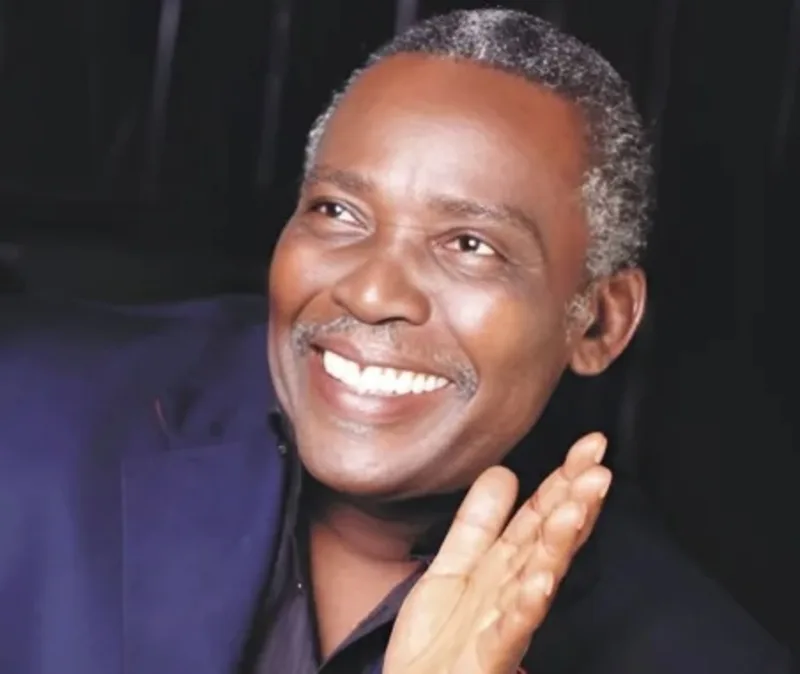
In the battered heartlands of Nigeria’s Middle Belt, where smoke rises from charred homes and grief walks every street, one figure has stood out not merely for humanitarian action, but for relentless moral clarity: American aid worker and advocate Alex Barbir.
His journey from health-care professional to frontline witness of some of Nigeria’s most brutal massacres places him not on the periphery of this crisis — but at its moral center. In a conflict too often described in abstract terms — “banditry,” “farmer-herder clashes,” “terrorism” — Barbir has insisted on humanity first: saving lives, rebuilding communities, and calling out injustice wherever he sees it.
How Alex Barbir Came to Nigeria
Barbir’s involvement began years ago when he visited the Middle Belt and encountered desperate testimonies from families who had lost everything to violence. Over time, what started as relief trips transformed into long-term engagement. Through his initiative — often operating under the banner of Building Zion — Barbir has funded and overseen:
Reconstruction of homes destroyed in attacks.
Rehabilitation of water boreholes and clinics.
Support for widows and orphans left without means.
Local news outlets reported that Barbir directed over ₦90 million worth of reconstruction projects in Yelwata, a community in Benue State devastated by a 2025 massacre that claimed roughly 150 lives.
His presence was not ceremonial — he lived among survivors, listened to their daily worries, and helped rebuild not just structures but solidarity.
From Aid to Advocacy
But Barbir’s influence extends beyond physical reconstruction.
He has repeatedly challenged Nigerian authorities to do more than issue expensive press releases or delayed troop deployments. In public statements and community meetings, Barbir has emphasized accountability over applause:
“If Yelewata is attacked again… you are liable. It is your job to protect your people.”
— Alex Barbir, warning Benue State officials at a community meeting.
On more than one occasion, Barbir voiced frustration at obstruction from local bureaucracies — including resistance to market reconstruction plans he proposed, which he argued would restore livelihoods more swiftly than some state initiatives. Those criticisms are part of why internet discussions sometimes frame him as “irritated” with the handling of Nigeria’s security and humanitarian responses. But the root of his stance is clear: the best aid is paired with accountability.
The Human Toll He Sees
Barbir’s testimony gains resonance against a backdrop of harrowing headlines:
In February 2026, coordinated attacks in Kwara State killed at least 160 villagers and razed entire neighborhoods, one of the deadliest single massacres in recent memory.
In Benue State, the 2025 Yelwata massacre left about 150 dead, and authorities charged nine suspected attackers with terrorism.
These numbers represent lives broken, but for Barbir they represent people he has met. Families who now raise children without parents, markets that no longer hum with trade, and villages where every doorstep tells a story of loss.
At a mass burial in Plateau State, Barbir shared a verse from Psalm 82, emphasizing the need for justice and protection — not just prayer. He stood with grieving relatives, dignitaries, and volunteers as a witness and advocate, reminding Nigerians and the world that suffering should not be normalized.
A Call to Conscience — and Action
Barbir’s role in Nigeria is not about imposing outside solutions; it is about illuminating truth where there is silence and calling decision-makers to responsibility.
He insists that:
Aid must be timely, effective, and survivor-led.
Government must protect civilians proactively.
The international community must move beyond condemnation to meaningful support.
His insistence confronts a deeper question: Why does Nigeria, a nation of millions and Africa’s largest economy, still struggle to protect its own?
Beyond Headlines: What Must Change
Massacres like those in Kwara and Benue cannot be met with ritual condolences. They demand systemic reform:
Professionalization and accountability in security forces.
Community-centric early warning systems.
Investment in development to undercut the drivers of violence.
Barbir’s work in Nigeria — his close relationships with local champions, his willingness to confront authorities, and his daily engagement with survivors — reminds us that hope without action is hollow.
As Nigeria stands at a crossroads, the most valuable voices may not be the loudest, but the most consistent and courageous — like Alex Barbir, who refuses to look away.