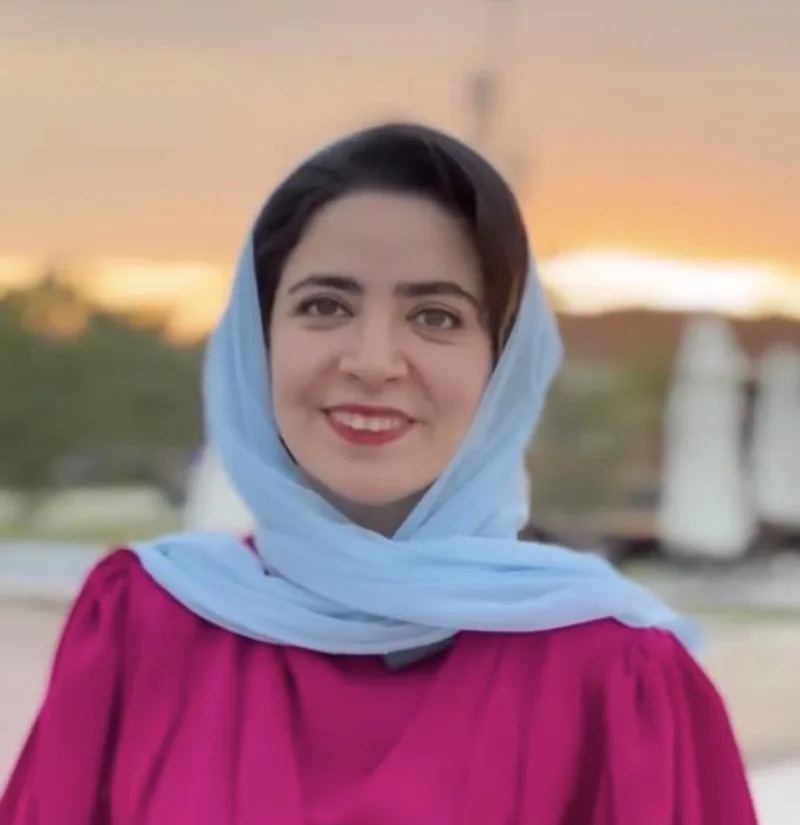
Fecundus Phenomenal: The Pioneering Impact of Two Nigerian Women in Societal Transformation

In recent times, Nigeria has witnessed the emergence of formidable women whose courage and resilience have sparked significant conversations on pressing societal issues. Among these trailblazers are Ushie Uguamaye AKA Raye, a National Youth Service Corps (NYSC) member, and Senator Natasha Akpoti-Uduaghan. Their actions have not only highlighted critical challenges within the nation but have also underscored the pivotal role women play in driving societal change.
Ushie Uguamaye: A Voice Against Economic Hardship
Ushie Uguamaye, serving in Lagos under the NYSC scheme, took to social media to express her frustrations regarding Nigeria’s escalating economic challenges. In a candid video posted on her TikTok account, she lamented the deteriorating living conditions, stating that hard work seems futile amid financial struggles. She criticized President Bola Tinubu, labeling him a “terrible leader,” and questioned the government’s efforts to alleviate citizens’ suffering. Following the video’s virality, Uguamaye reported receiving threats, highlighting the risks faced by individuals who speak out against prevailing issues.The public’s reaction was polarized. While some lauded her bravery, others criticized her approach. Nevertheless, her outspokenness reignited discussions on the economic realities confronting many Nigerians and the imperative for governmental accountability.
Senator Natasha Akpoti-Uduaghan: Challenging the Status Quo in the Senate
Senator Natasha Akpoti-Uduaghan, representing Kogi Central, made headlines when she accused Senate President Godswill Akpabio of sexual harassment, alleging the incident occurred on December 8, 2023. The situation intensified on February 20, 2025, when she confronted Akpabio after discovering her nameplate removed from her usual seat in the chamber. Akpabio denied the allegations, questioning their timing and suggesting they emerged only after changes to her committee assignment. Subsequently, on March 6, 2025, the Senate suspended Akpoti-Uduaghan for six months, citing “persistent acts of misconduct,” including refusing to sit in her assigned seat, speaking without recognition, engaging in disruptive behavior, and making “abusive remarks” against Senate leadership. The suspension included barring access to her office, withholding her salary, and withdrawing her security details. Women’s rights groups and civil society organizations condemned the suspension, viewing it as a silencing tactic against women challenging entrenched power structures. The incident has ignited broader conversations about gender dynamics within Nigerian politics and the systemic challenges women face in leadership roles.
The Role of Women in Driving Societal Change
The actions of Uguamaye and Akpoti-Uduaghan exemplify the transformative power of women’s voices in society. Historically, Nigerian women have been at the forefront of movements advocating for justice, equality, and societal reform. Figures like Margaret Ekpo championed women’s rights and played significant roles in Nigeria’s fight for independence. In the digital age, social media has become a potent tool for feminist activism in Nigeria. Platforms like Twitter and Facebook have facilitated discussions on issues such as sexual harassment, gender inequality, and economic disenfranchisement. Campaigns like #BringBackOurGirls have demonstrated the global reach and impact of Nigerian women’s activism. However, this activism is not without challenges. Women who speak out often face cyberbullying, threats, and societal backlash. Despite these obstacles, their resilience continues to inspire change and challenge the status quo.
Conclusion
The narratives of Ushie Uguamaye and Senator Natasha Akpoti-Uduaghan underscore the indispensable role women play in advocating for societal transformation in Nigeria. Their courage in confronting economic and gender-based challenges serves as a clarion call for increased support and protection of women’s rights and voices. As Nigeria continues its journey towards progress and equality, the contributions of such phenomenal women remain pivotal in shaping a more inclusive and just society.