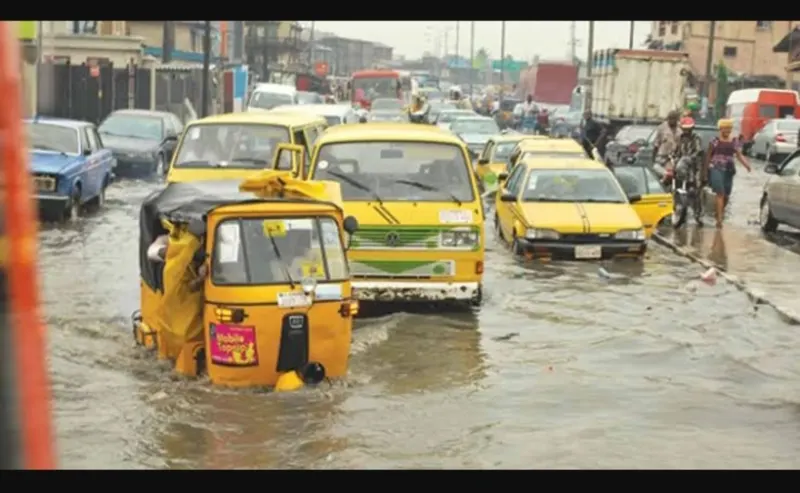
Flash floods are among the most dangerous and unpredictable natural disasters, often occurring with little warning. In cities like Lagos, Nigeria, flash floods are a recurring issue, particularly during the rainy season, due to a combination of heavy rainfall, poor drainage infrastructure, rapid urbanization, and proximity to coastal waters. Understanding how to prepare for, respond to, and recover from flash floods is crucial for residents, policymakers, and city planners.
Understanding Flash Floods
A flash flood is a rapid flooding of low-lying areas, usually caused by intense rainfall over a short period. Unlike riverine flooding, which develops slowly, flash floods can occur within minutes or hours of rainfall and can cause significant damage to property and loss of life.
Causes of Flash Floods in Lagos
1. Heavy Rainfall: Lagos experiences intense rainfall, especially from April to October.
2. Blocked Drains and Canals: Poor waste management often leads to blocked drainage systems, worsening flooding.
3. Urbanization: Paved surfaces reduce ground absorption of rainwater.
4. Topography and Sea Level: Being a low-lying coastal city, Lagos is particularly vulnerable to tidal surges and water accumulation.
How to Deal with Flash Floods
1. Before a Flash Flood: Preparedness
* Stay Informed: Monitor local weather reports, especially during rainy seasons. Use radio, mobile apps, or alerts from agencies like the Nigerian Meteorological Agency (NiMet).
* Have an Emergency Kit: Include clean water, non-perishable food, flashlight, batteries, first-aid supplies, and important documents.
* Create a Family Emergency Plan: Know evacuation routes, safe places, and how to contact each other.
* Elevate Utilities: If possible, raise electrical systems and appliances above potential flood levels.
* Community Action: Participate in community cleanups and report blocked drainage to local authorities.
2. During a Flash Flood: Staying Safe
* Move to Higher Ground: Avoid walking or driving through floodwaters. As little as 6 inches of water can knock an adult off their feet.
* Stay Indoors if Safe: If you're already in a secure building, stay put until it's safe to evacuate.
* Avoid Low Areas: Don't take shelter in basements or low-lying areas.
* Turn Off Utilities: If safe to do so, turn off electricity and gas to prevent fires or electrocution.
3. After a Flash Flood: Recovery
* Wait for the All-Clear: Only return home when authorities say it's safe.
* Avoid Contaminated Water: Floodwaters may contain sewage, chemicals, and other hazards.
* Document Damage: Take photos for insurance or government relief claims.
* Clean Safely: Wear protective gear while cleaning. Disinfect surfaces and throw away food or items that came into contact with floodwater.
* Seek Support: Contact local disaster relief organizations like NEMA (National Emergency Management Agency) for assistance.
Urban Planning and Long-Term Solutions
Addressing flash floods in cities like Lagos requires both individual action and systemic change:
* Improved Drainage Systems: Governments should invest in modern, well-maintained drainage infrastructure.
* Urban Green Spaces: Parks and permeable pavements can absorb rainwater and reduce runoff.
* Enforcement of Building Codes: Structures should not block natural waterways or be built in flood-prone zones.
* Public Education: Regular campaigns can help residents understand flood risks and prevention strategies.
Conclusion
Flash floods are a growing threat in urban centers like Lagos due to climate change and unplanned urbanization. While individuals can take steps to protect themselves, the long-term solution lies in coordinated action between citizens, local authorities, and national governments. Preparedness, infrastructure development, and community engagement are key to reducing the devastating impacts of flash floods.
If you live in a flood-prone area, taking proactive measures today could save your life tomorrow.