May 7, 2025
In a significant escalation of hostilities, India has launched a series of airstrikes on Pakistan and Pakistan-administered Kashmir, codenamed "Operation Sindoor." The Indian government claims the operation targeted terrorist infrastructure linked to groups such as Jaish-e-Mohammed and Lashkar-e-Taiba. However, Pakistan has condemned the attacks as an "unprovoked and blatant act of war," asserting that civilian areas, including mosques and residential blocks, were hit, resulting in at least nine deaths and 38 injuries.
Background
The military action follows a deadly terrorist attack on April 22, 2025, in Pahalgam, Indian-administered Kashmir, which killed 26 people, mostly Hindu tourists. India attributes the attack to militants operating from Pakistan and accuses Islamabad of supporting such groups. Pakistan denies these allegations.
Details of the Strikes
According to the Indian Ministry of Defence, Operation Sindoor involved precision missile strikes on nine locations across Pakistan and Pakistan-administered Kashmir, including Bahawalpur, Muridke, Tehra Kalan, Sialkot, Bhimber, Kotli, and Muzaffarabad. The targets were described as "terrorist camps, nerve centres, and headquarters" of militant groups.
Pakistan's military reported that the strikes resulted in significant civilian casualties, including the death of a child and injuries to several others. The Pakistani government has vowed to respond to what it terms an "act of aggression."
Retaliatory Actions
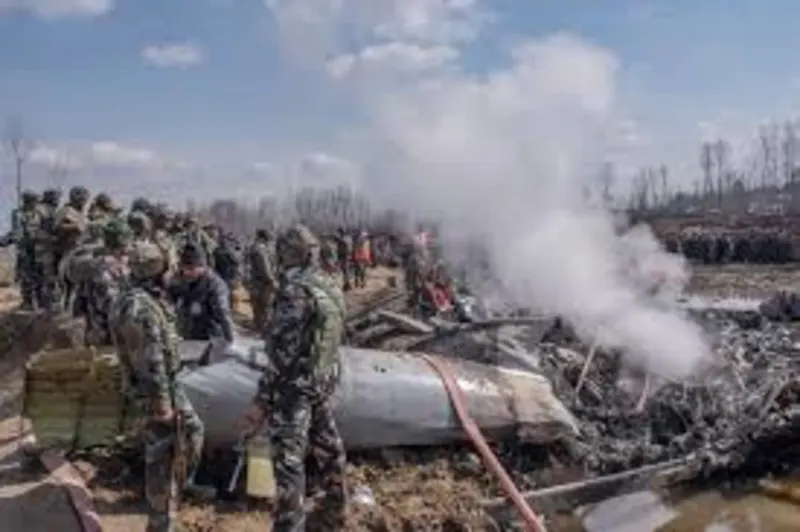
In response, Pakistan claims to have downed five Indian fighter jets and destroyed an Indian brigade headquarters. The Pakistan Air Force reportedly engaged Indian aircraft that entered Pakistani airspace, while artillery fire along the Line of Control (LoC) resulted in the deaths of three Indian civilians.
International Reactions
The international community has expressed deep concern over the escalating conflict. UN Secretary-General António Guterres called for immediate military restraint, warning that the world cannot afford a military confrontation between India and Pakistan . U.S. President Donald Trump described the Indian strikes as "a shame" and urged both nations to de-escalate the situation.
Humanitarian Impact
The conflict has led to the closure of airspace in the region, with major airlines halting flights to and from affected areas. The United Nations and various humanitarian organizations are closely monitoring the situation, urging both governments to prioritize civilian safety and adhere to international humanitarian law.
Outlook
As of now, the situation remains tense, with both nations on high alert. Diplomatic efforts are underway to mediate the crisis, but the risk of further escalation remains significant. The international community continues to call for dialogue and restraint to prevent a full-scale war between the two nuclear-armed neighbors.