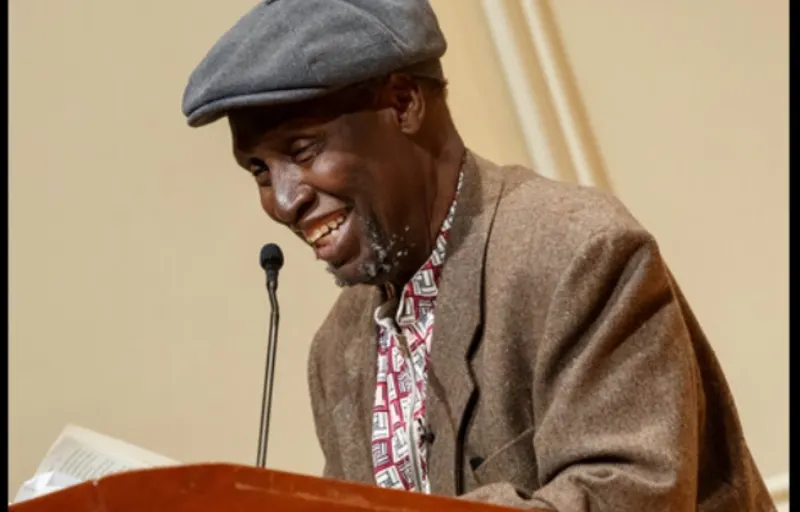
Renowned Kenyan author and playwright Ngũgĩ wa Thiong’o has passed away at the age of 87 in Atlanta, Georgia, as confirmed by his family and Kenyan President William Ruto. Ngũgĩ, a towering figure in African literature, was celebrated for his incisive critiques of colonialism, post-independence governance, and his steadfast advocacy for indigenous African languages.
A Life of Literary and Political Courage
Born James Ngugi on January 5, 1938, in Kamiriithu, Kenya, Ngũgĩ began his literary career writing in English. However, in the 1970s, he made a pivotal decision to write exclusively in his native Gikuyu, emphasizing the cultural and political significance of African languages. His seminal work, Decolonising the Mind (1986), argued that language is a tool of cultural oppression and that reclaiming indigenous languages is essential for true decolonization.
Ngũgĩ's 1977 play Ngaahika Ndeenda (I Will Marry When I Want), co-written with Ngũgĩ wa Mirii, led to his arrest and year-long detention without trial by the Kenyan government. The play, which critiqued the capitalist exploitation and corruption among Kenya’s new elite, was considered subversive by the authorities. During his imprisonment, Ngũgĩ wrote his novel Devil on the Cross on toilet paper, a testament to his unwavering commitment to literature.
In 1982, facing increasing threats under President Daniel arap Moi's repressive regime, Ngũgĩ went into exile. He continued his academic and literary work abroad, serving as a professor at the University of California, Irvine. Despite a brief return to Kenya in 2004, where he was attacked in his home, Ngũgĩ remained a vocal critic of political oppression and a champion of cultural identity through literature.
Enduring Legacy
Ngũgĩ's literary oeuvre includes notable works such as Weep Not, Child (1964), A Grain of Wheat (1967), Petals of Blood (1977), and Wizard of the Crow (2006). His writings, often set against the backdrop of Kenya's struggle for independence and its aftermath, explore themes of identity, resistance, and the complexities of postcolonial society. His short story The Upright Revolution: Or Why Humans Walk Upright was translated into over 100 languages, highlighting his global literary impact.
Despite being a perennial contender for the Nobel Prize in Literature, Ngũgĩ never received the accolade. His contributions to literature and his advocacy for African languages have left an indelible mark on global literary traditions. President Ruto hailed him as a “towering giant of Kenyan letters,” while opposition leader Raila Odinga described him as a “fallen African giant.”
Tributes and Reflections
The literary world has been quick to honor Ngũgĩ's legacy. Nobel laureate Wole Soyinka praised his dedication to African languages in literature, acknowledging Ngũgĩ's role in shaping African literary discourse. His daughter, Wanjiku wa Ngũgĩ, celebrated his life and enduring fight for justice, reflecting the family's pride in his unwavering commitment to his principles.
As Kenya and the world mourn the loss of this literary giant, Ngũgĩ's works continue to inspire and challenge readers, urging them to reflect on the complexities of identity, culture, and the ongoing quest for justice in postcolonial societies.